Science fiction has always been the literature of ideas — exploring what it means to be human through the lens of technology, alien worlds, and possible futures. Whether you're new to the genre or a lifelong fan looking for a fresh perspective, these 15 novels represent the absolute pinnacle of science fiction writing.
1. Dune by Frank Herbert (1965)
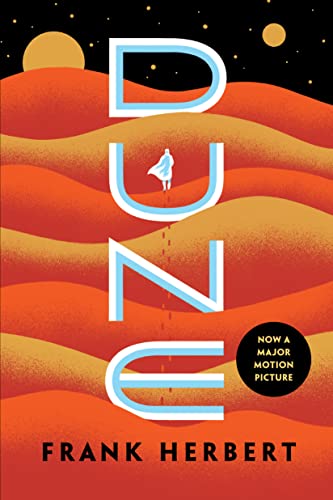
The undisputed king of science fiction epics. Set on the desert planet Arrakis, Dune weaves together politics, religion, ecology, and human potential into an unforgettable saga. Frank Herbert created a universe so detailed and compelling that it continues to captivate readers six decades later.
Why read it: If you love world-building, political intrigue, and stories about power and survival, Dune is unmatched.
2. Project Hail Mary by Andy Weir (2021)
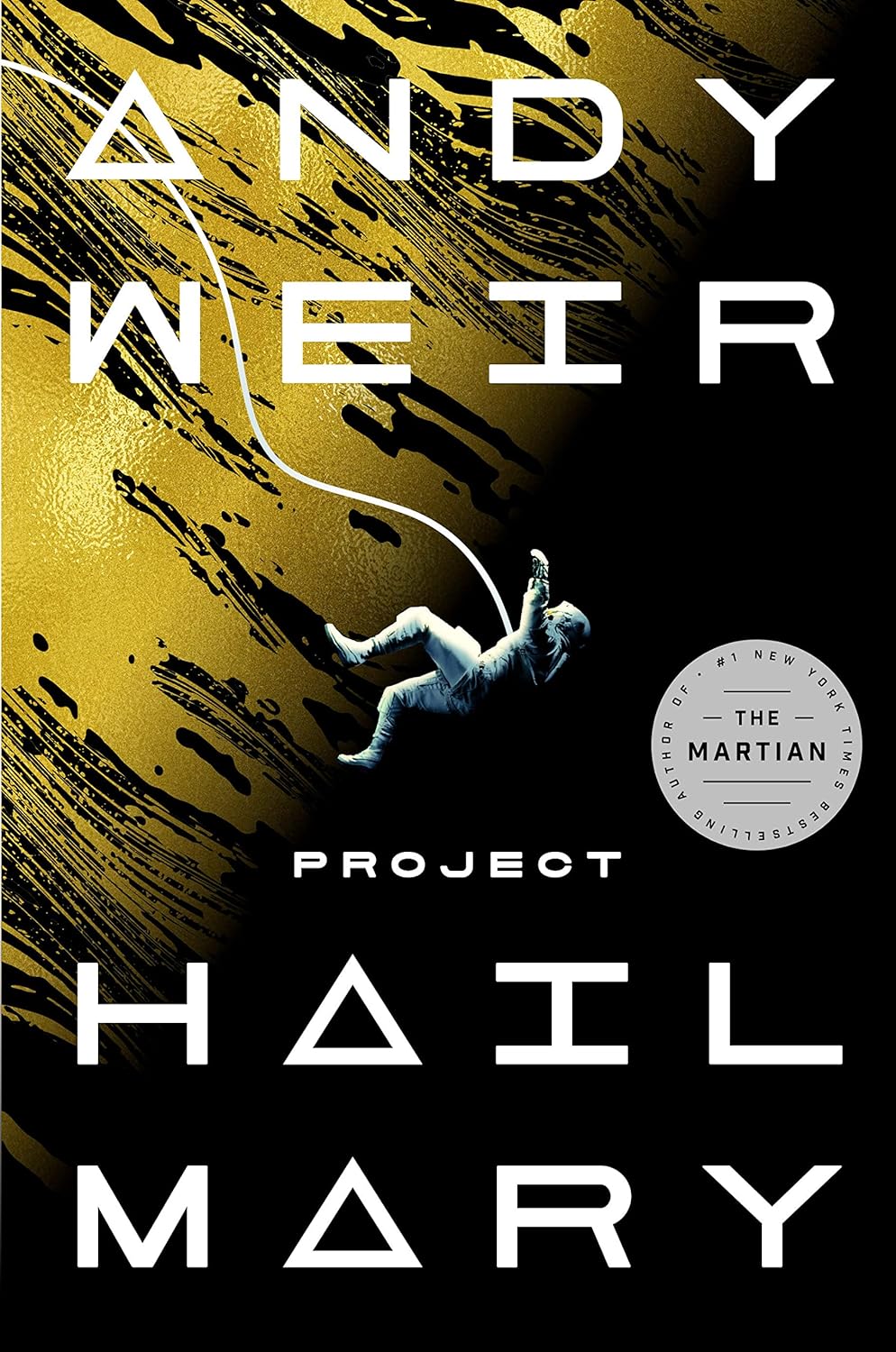
A lone astronaut wakes up on a spaceship with no memory of how he got there — and discovers he's humanity's last hope. Project Hail Mary by Andy Weir is a masterclass in problem-solving fiction, blending hard science with genuine emotion and an unforgettable friendship.
Why read it: If you loved The Martian, this is even better. Equal parts thrilling, funny, and heartwarming.
3. The Hitchhiker's Guide to the Galaxy by Douglas Adams (1979)

The funniest book in science fiction. When Earth is demolished to make way for a hyperspace bypass, Arthur Dent begins an absurd journey across the universe. Douglas Adams proved that sci-fi could be hilarious while still being deeply philosophical.
Why read it: For the humor, the wit, and the answer to life, the universe, and everything (it's 42).
4. 1984 by George Orwell (1948)

The book that gave us Big Brother, thoughtcrime, and doublethink. 1984 by George Orwell remains terrifyingly relevant — a cautionary tale about surveillance, propaganda, and the destruction of truth that feels more urgent with each passing year.
Why read it: Essential reading for understanding power, language manipulation, and why freedom matters.
5. Foundation by Isaac Asimov (1951)

Mathematician Hari Seldon predicts the fall of the Galactic Empire and creates a plan to shorten the coming dark age. Foundation by Isaac Asimov is a sweeping saga about civilization, knowledge, and the power of ideas to shape the future.
Why read it: For its grand scope and optimistic vision that knowledge and science can save civilization.
6. The Three-Body Problem by Cixin Liu (2008)

A signal sent into the cosmos brings an alien civilization to Earth's doorstep. The Three-Body Problem by Cixin Liu is hard science fiction at its most ambitious — a trilogy that fundamentally reimagines first contact and the Fermi Paradox.
Why read it: Mind-expanding physics, game theory, and a cosmic perspective unlike anything else in the genre.
7. Ender's Game by Orson Scott Card (1985)

Child genius Ender Wiggin is recruited to Battle School to prepare for an alien invasion. Ender's Game by Orson Scott Card is a compelling exploration of leadership, empathy, and the moral cost of war — wrapped in a page-turning military sci-fi plot.
Why read it: The zero-gravity battle scenes alone make it worthwhile, but the emotional gut-punch ending elevates it to a classic.
8. Neuromancer by William Gibson (1984)
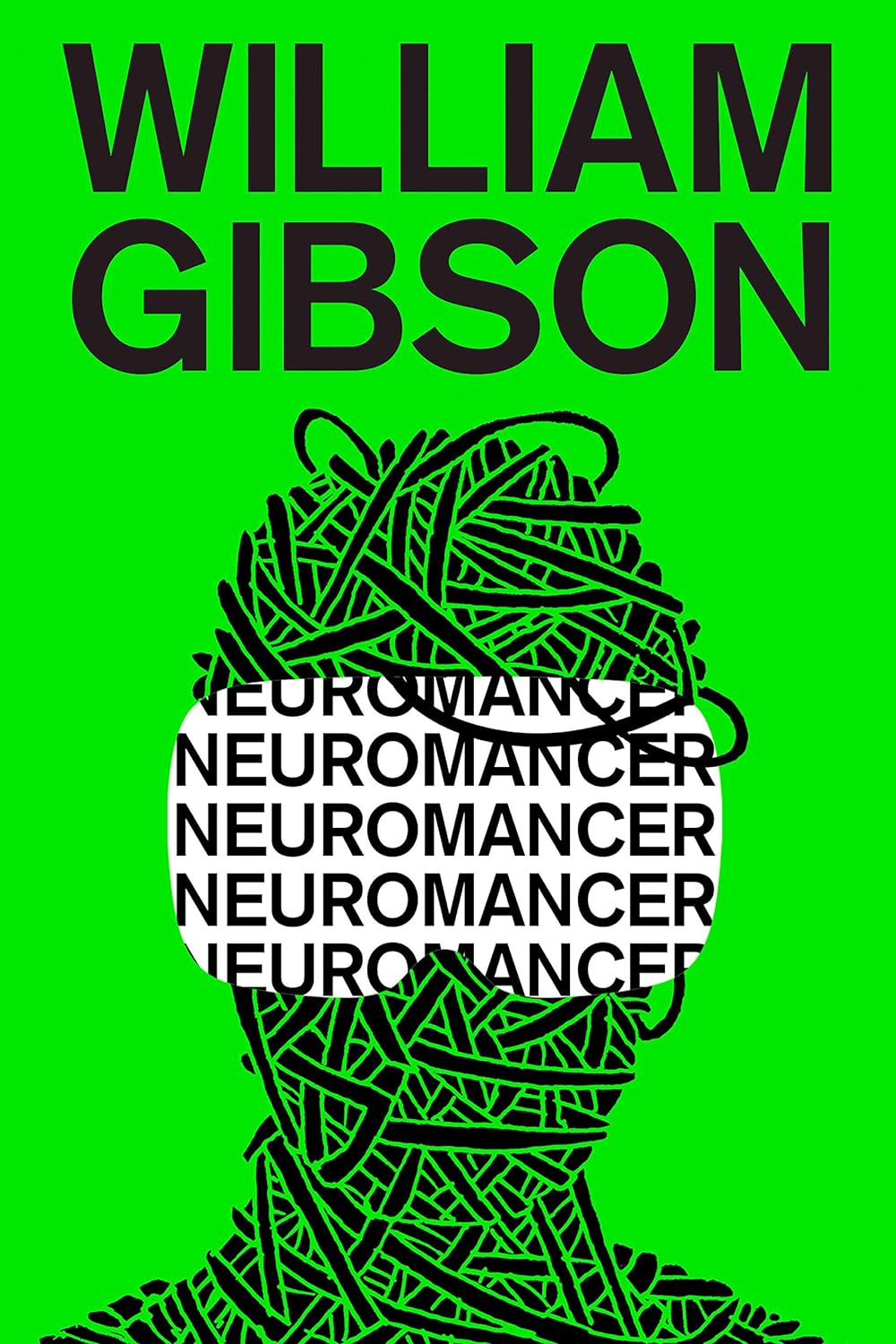
The book that invented cyberpunk. Neuromancer by William Gibson predicted the internet, virtual reality, and AI decades before they existed. A washed-up hacker is hired for one last job in cyberspace — and nothing is what it seems.
Why read it: Gibson's prose is electric, and the world he created became the blueprint for countless films, games, and books.
9. Fahrenheit 451 by Ray Bradbury (1953)

In a future where firemen burn books instead of putting out fires, one man begins to question everything. Fahrenheit 451 by Ray Bradbury is a love letter to literature itself — a passionate defense of reading, thinking, and intellectual freedom.
Why read it: Short, lyrical, and devastatingly relevant to our age of information overload and shrinking attention spans.
10. The Martian by Andy Weir (2011)
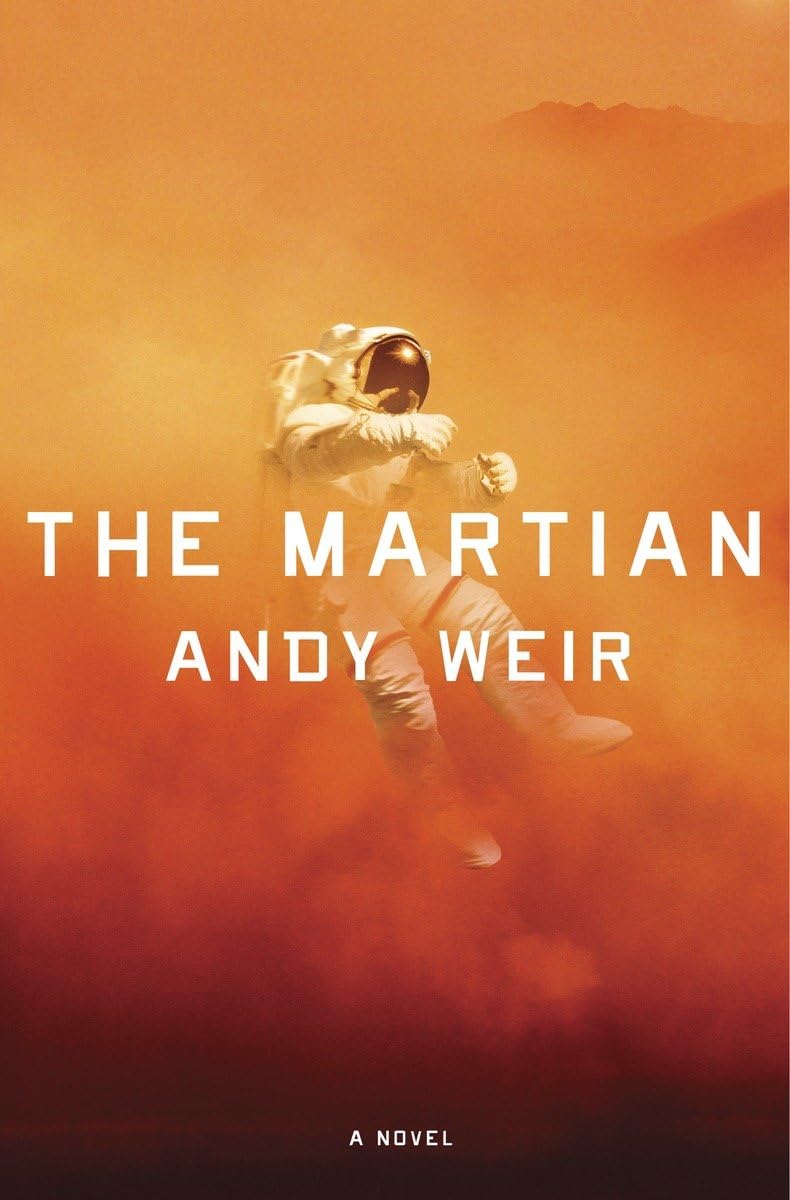
Stranded alone on Mars, astronaut Mark Watney must "science the shit" out of his situation to survive. The Martian is the most fun you'll ever have reading about botany, chemistry, and orbital mechanics. Pure survival adventure at its best.
Why read it: Impossibly entertaining, laugh-out-loud funny, and grounded in real science.
11. Brave New World by Aldous Huxley (1932)
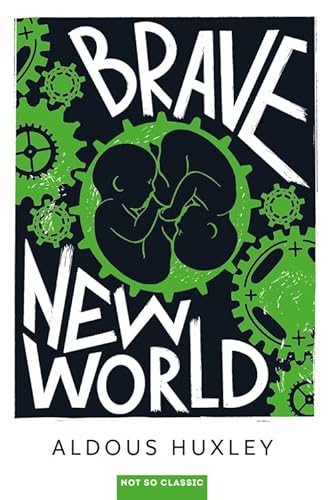
While 1984 warns of oppression through pain, Brave New World by Aldous Huxley warns of control through pleasure. A genetically engineered society where everyone is happy — but at what cost? The dystopian novel that may have gotten the future more right than Orwell.
Why read it: Its vision of a society drugged into compliance feels eerily prophetic in our age of algorithmic entertainment.
12. Hyperion by Dan Simmons (1989)
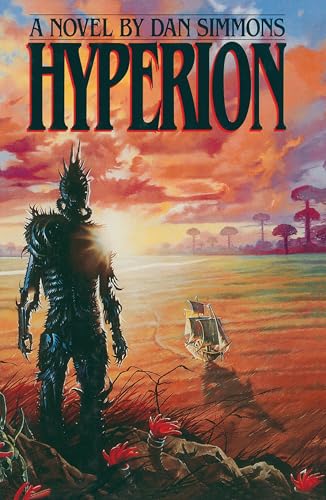
Seven pilgrims journey to the Time Tombs on Hyperion, each sharing their tale. Hyperion by Dan Simmons is a literary masterpiece structured like The Canterbury Tales — but set in a far-future universe filled with time travel, AI gods, and the terrifying Shrike.
Why read it: Each pilgrim's story is a different genre of science fiction, making it an anthology and a novel simultaneously.
13. Children of Time by Adrian Tchaikovsky (2015)
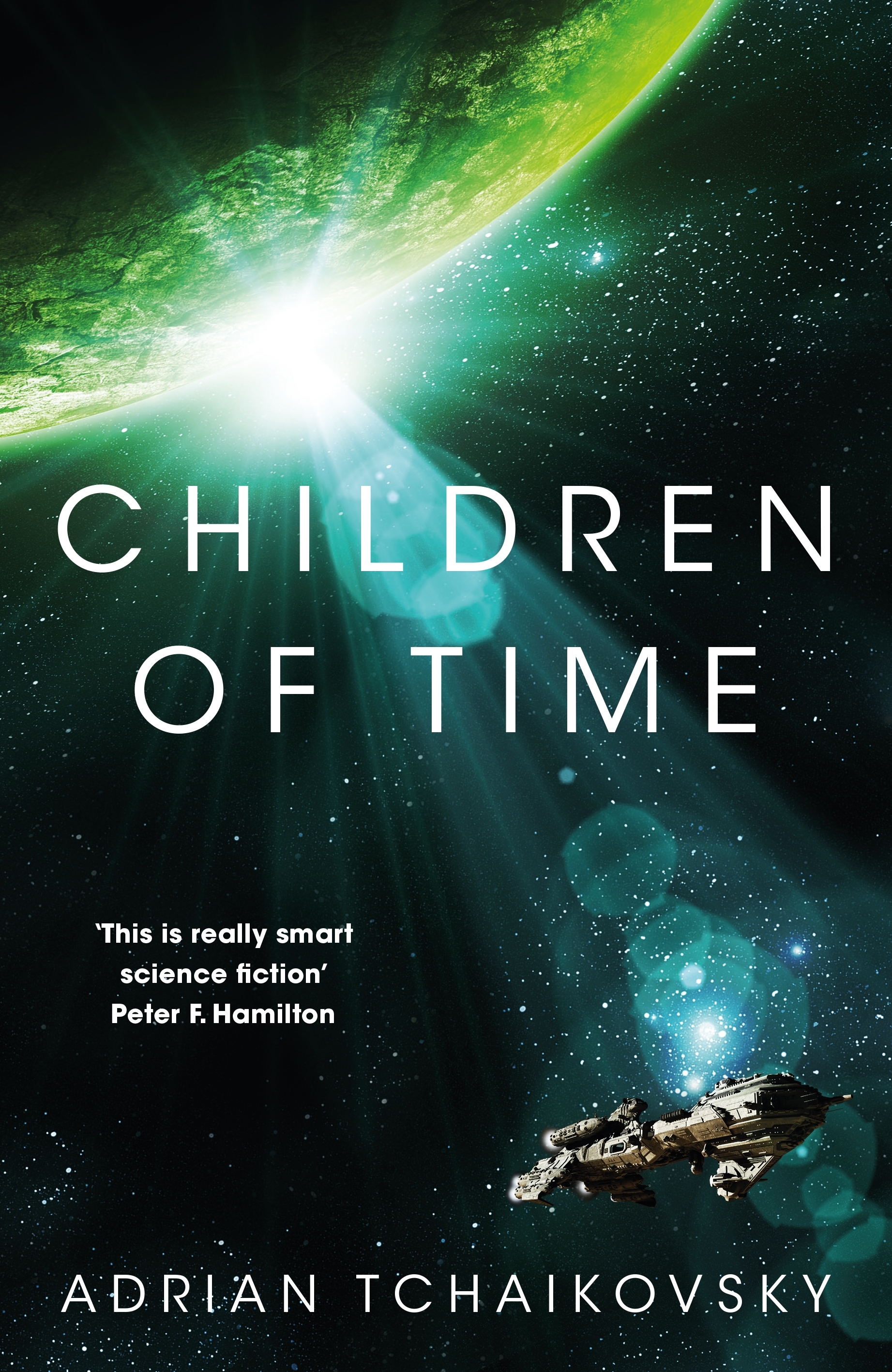
A terraforming experiment goes wrong, creating an entirely new civilization of evolved spiders. Children of Time by Adrian Tchaikovsky is a staggering feat of imagination — telling the story of evolution itself over thousands of years.
Why read it: You will never look at spiders the same way again. Genuinely one of the most creative first-contact stories ever written.
14. Dark Matter by Blake Crouch (2016)
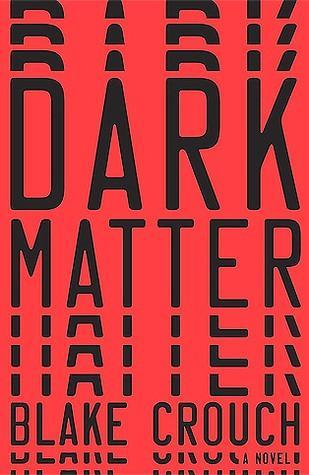
A physicist is abducted and wakes up in an alternate version of his life. Dark Matter by Blake Crouch takes the many-worlds interpretation of quantum mechanics and turns it into a heart-pounding thriller about identity and choice.
Why read it: Unputdownable. You'll finish it in one sitting and immediately want to discuss it with someone.
15. Leviathan Wakes by James S.A. Corey (2011)
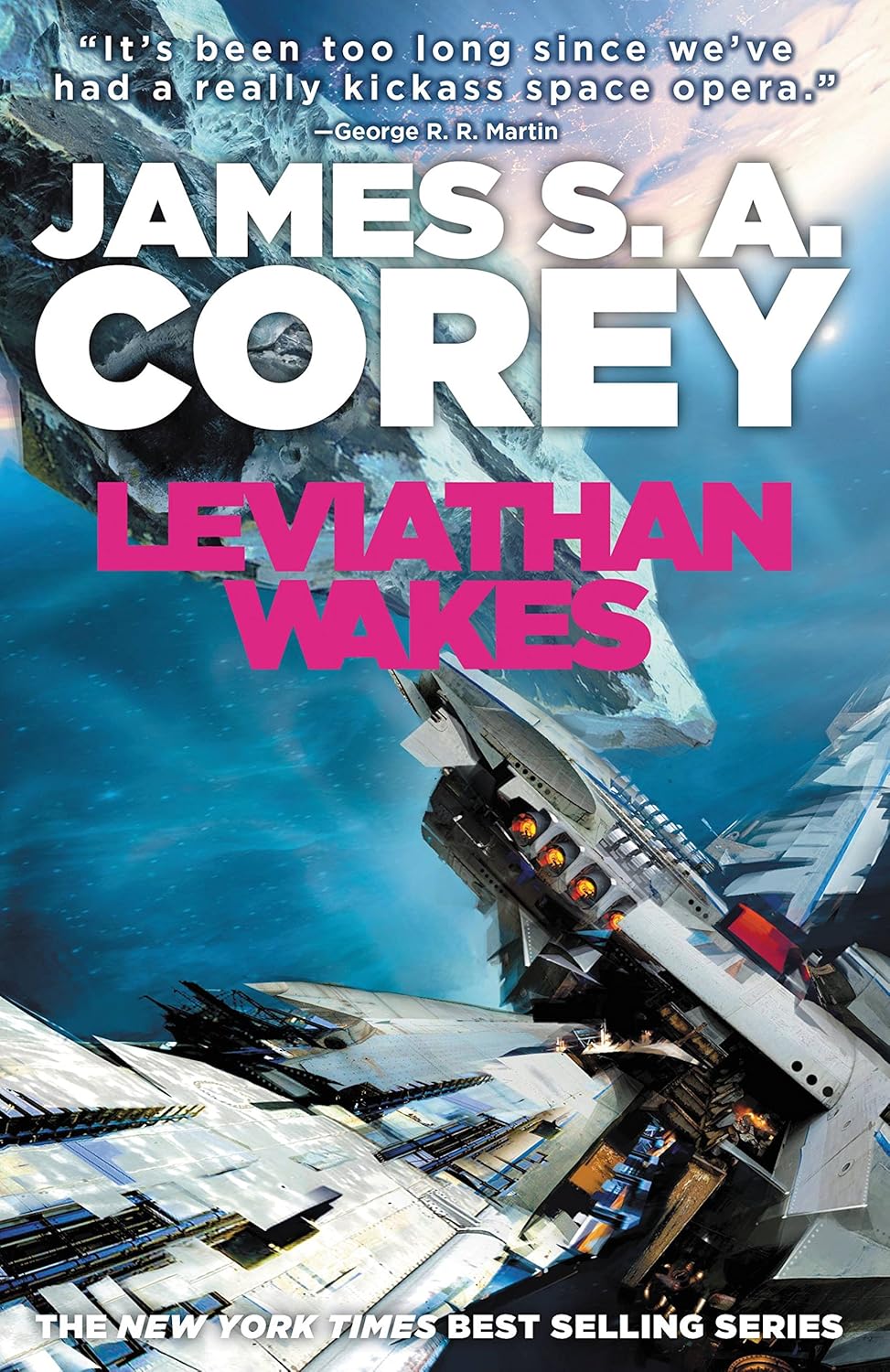
Humanity has colonized the solar system, but political tensions between Earth, Mars, and the Belt are reaching a breaking point. Leviathan Wakes by James S.A. Corey launches The Expanse series — the most realistic space opera ever written.
Why read it: Combines the political intrigue of Game of Thrones with hard sci-fi worldbuilding. Absolutely addictive.
Start Reading Today
Every book on this list is available on Bookble. Whether you prefer reading, listening to audiobooks, or getting quick summaries, we've got you covered. Explore our full sci-fi collection to discover even more incredible stories.